← Dave Lastovskiy

Creative field notes / 35 examples

How to make ads that convert with hooks and curiosity gap

A good hook makes the right person want the next sentence. A curiosity gap gives them a reason to stay.

A collection of tutorials, creative breakdowns, and brand examples. What to notice, why it holds attention, and how to use the idea in your own ads.

The short version: eight ideas to keep in mind
  1. Start with partial knowledge

    Establish something familiar, then introduce the missing piece.

  2. Align the first three seconds

    Make the picture, spoken line, and on-screen text tell the same opening idea.

  3. Make a promise

    Give the viewer a question or problem the rest of the ad will resolve.

  4. Keep the setup clear

    Curiosity works when the viewer understands why the answer matters.

  5. Build a testing system

    Vary hooks, explanations, and calls to action so you can learn what changes results.

  6. Show the outcome

    Make the desired change visible through a scene, a use case, or a demonstration.

  7. Recognize, then reveal

    Begin with a thought the buyer knows, challenge it, and earn the payoff.

  8. Keep a consistent point of view

    Use restraint and repetition to build recognition across different executions.

Scroll to explore. Each screenshot links to the original post.

Hooks & Curiosity Gap · 16 examples

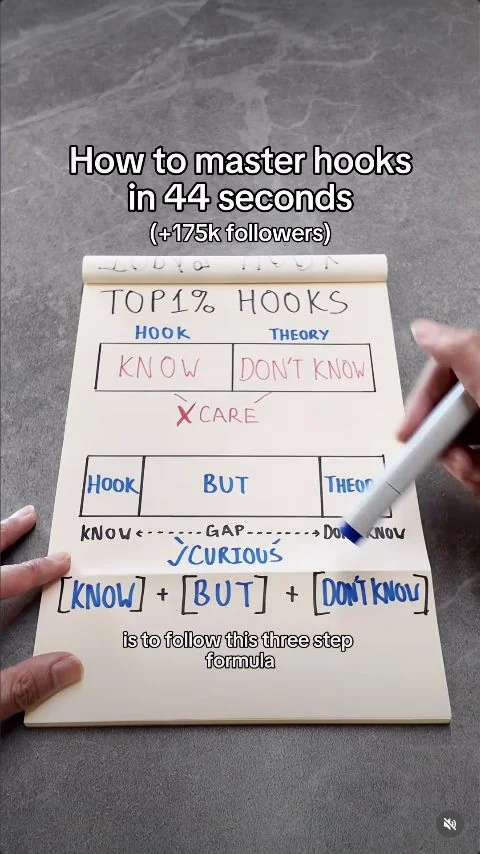
Notebook diagram showing the gap between what a viewer knows and does not know.
Source: @iamchrischung · Instagram
01 / 35
Tutorial@iamchrischung

Start with what they almost know

Curiosity needs a foothold. Chris Chung starts with a familiar belief, then introduces a contradiction that leaves something unresolved. Use the same structure for a considered purchase: establish what the buyer already understands, then reveal the missing piece your product helps explain.
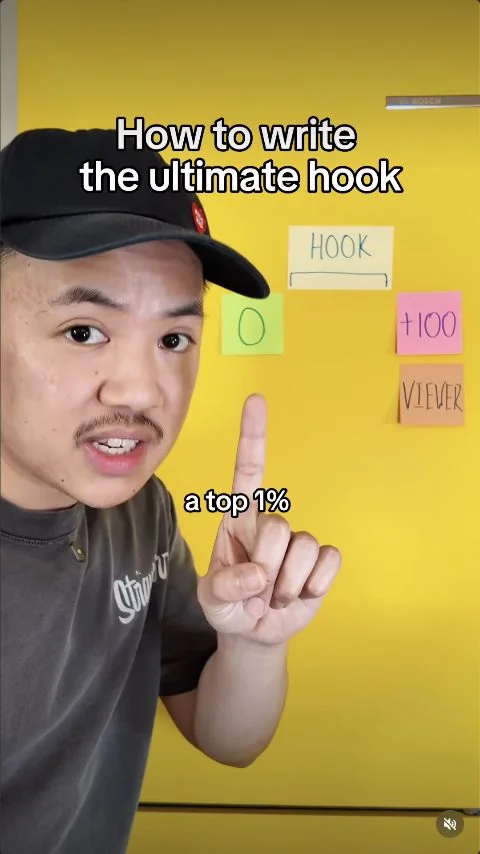
Chris Chung beside sticky notes marking neutral, positive, and negative viewer attention.
Source: @iamchrischung · Instagram
02 / 35
Tutorial@iamchrischung

Put the gain next to the pain

A benefit gives someone a reason to watch; a potential loss adds tension. Chung connects the two with a reversal. For a higher priced offer, test an opening that pairs the desired change with the cost of staying where the buyer is.

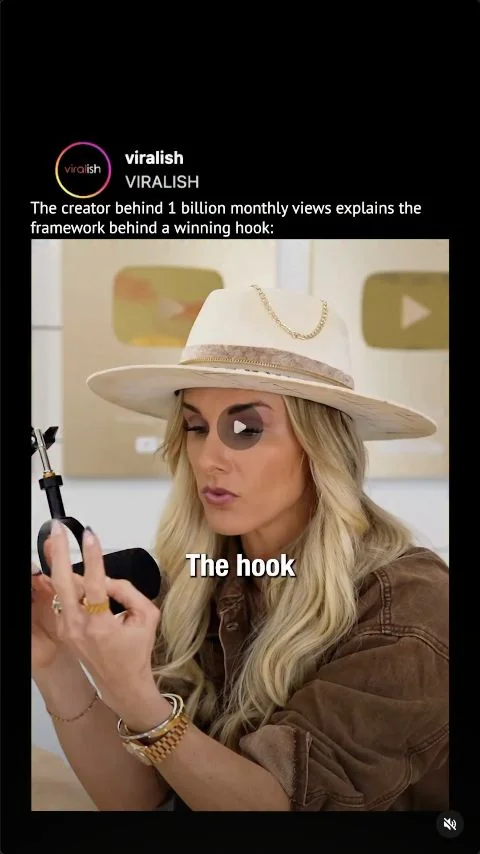
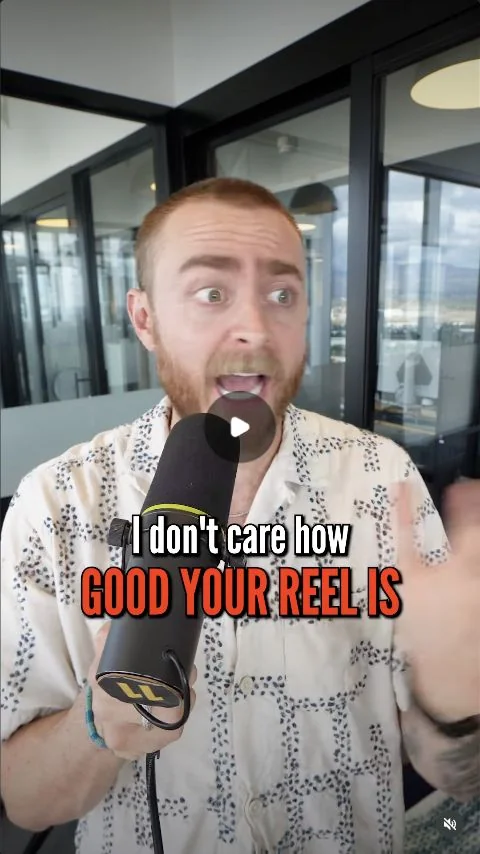
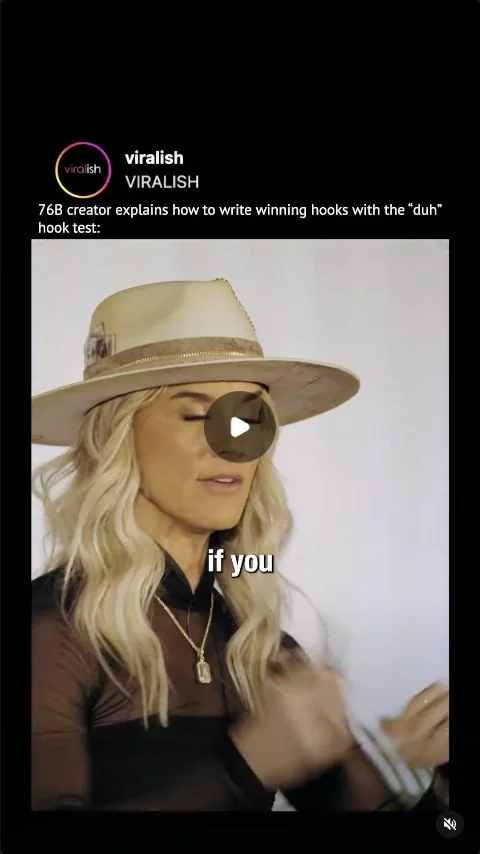
A repost of Adley explaining a hook, wearing a hat and speaking into a microphone.
Source: @adley · Instagram
03 / 35
Tutorial@adley

Give the obvious a surprising detail

If the audience can answer your opening with a shrug, it needs more specificity. Adley's test replaces broad aspirations with an unexpected, concrete contrast. Apply it by connecting a small product detail to a meaningful consequence, then explaining the connection rather than inflating the claim.

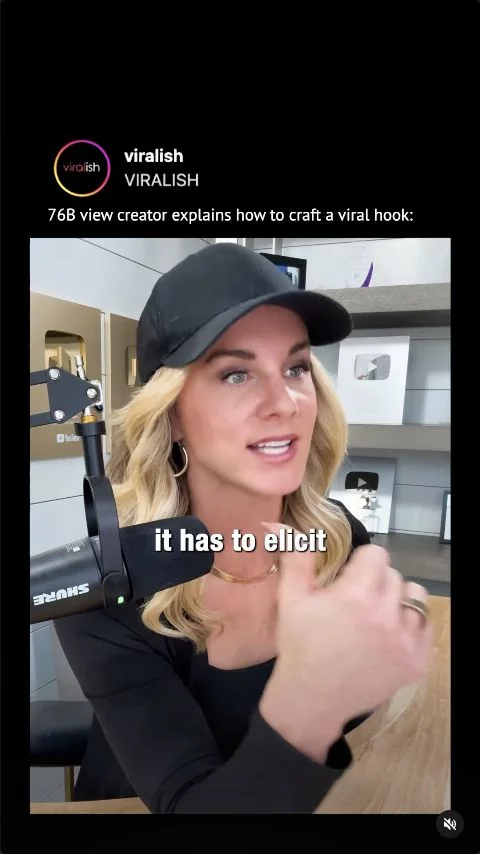
Adley explaining emotion and curiosity in a reposted tutorial.
Source: @adley · Instagram
04 / 35
Tutorial@adley

Combine two things that should not fit

Adley pairs emotion with an unanswered question, often through an unexpected combination. The unusual scene earns attention; the connection gives it somewhere to go. For a premium product, try an unfamiliar setting that reveals something true about its use, rather than spectacle with no payoff.

Adley discussing the opening hook in a reposted video.
Source: @adley · Instagram
05 / 35
Tutorial@adley

Make the first frame do its share

The opening image and the opening line both need to give the viewer a reason to stay. Adley treats them as one idea. For a product that takes explanation, build the visual question into the first shot instead of asking the caption to carry everything.

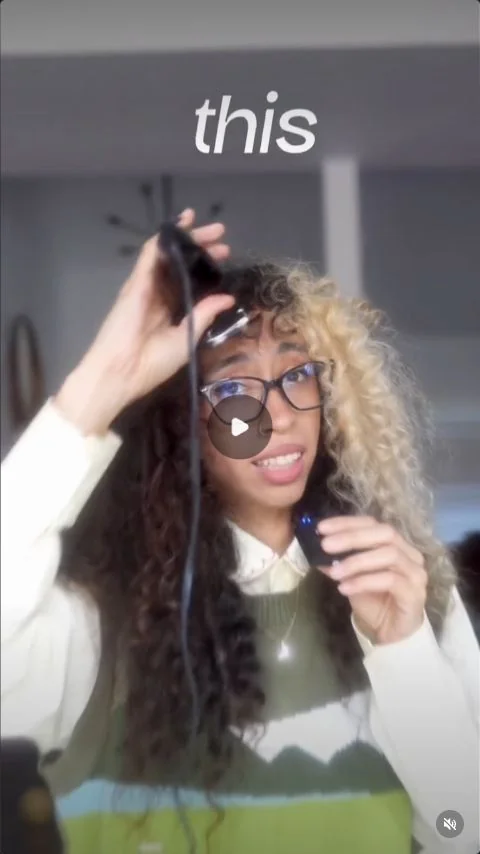
A creator holding clippers beside her hair to demonstrate a surprising opening.
Source: @em0n33y · Instagram
06 / 35
Tutorial@em0n33y

Interrupt the expected picture

Movement, perspective, and transitions can create a question before anyone speaks. These demonstrations use visual surprises to disrupt a familiar feed. Apply the technique with a product relevant reveal, then move quickly into the story so the opening earns attention for the offer itself.

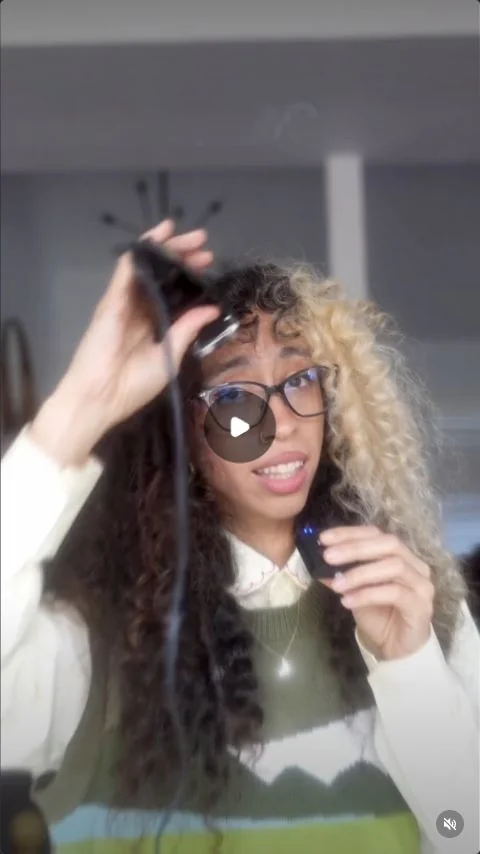
A creator demonstrating an apparent haircut as a visual hook.
Source: @em0n33y · Instagram
07 / 35
Tutorial@em0n33y

Let movement open the question

An apparent head shave creates immediate uncertainty: did that just happen? The abrupt action demonstrates a visual hook rather than merely describing one. For a considered purchase, use an unexpected movement to introduce the process or transformation, then resolve the surprise with something useful.

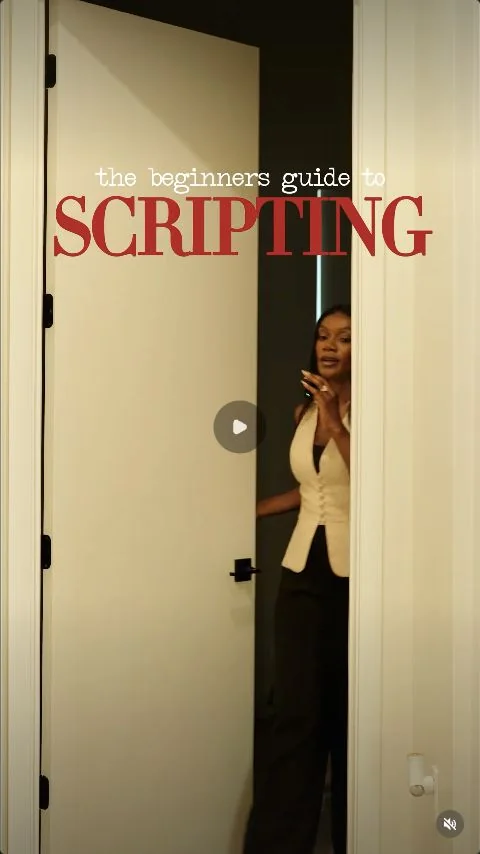
A creator entering a room beneath an on-screen scripting guide title.
Source: @itsvictoryhenry · Instagram
08 / 35
Tutorial@itsvictoryhenry

Give the question stakes

A useful curiosity gap has three parts: enough context to form a question, a reason the answer matters, and a payoff that takes time to unfold. For a longer product story, establish all three early. Delay the answer only while each scene adds value.

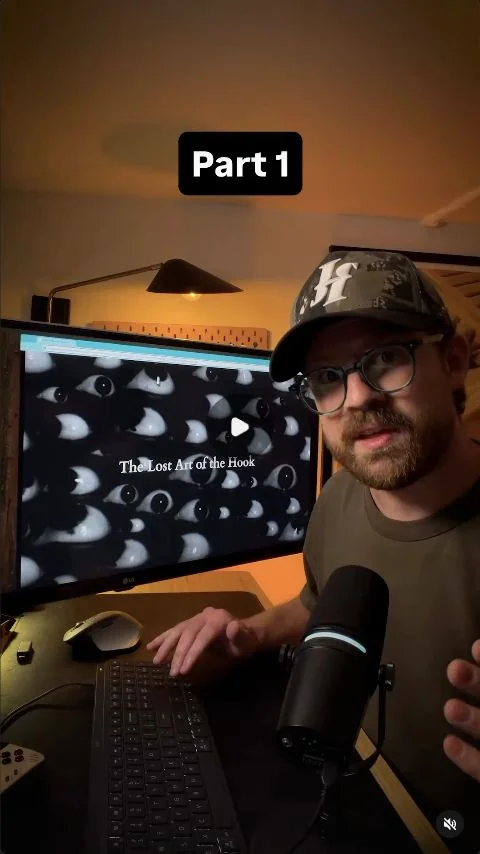
Jason Swet presenting a lesson on hooks from his desk.
Source: @jason_swet · Instagram
09 / 35
Tutorial@jason_swet

Study openings beyond the feed

Jason Swet traces hooks through novels, headlines, and film openings. The shared skill is creating a reason to continue, not following a social format. Borrow that structure for an expensive product: start with a situation or unresolved tension, then let the product enter the story.

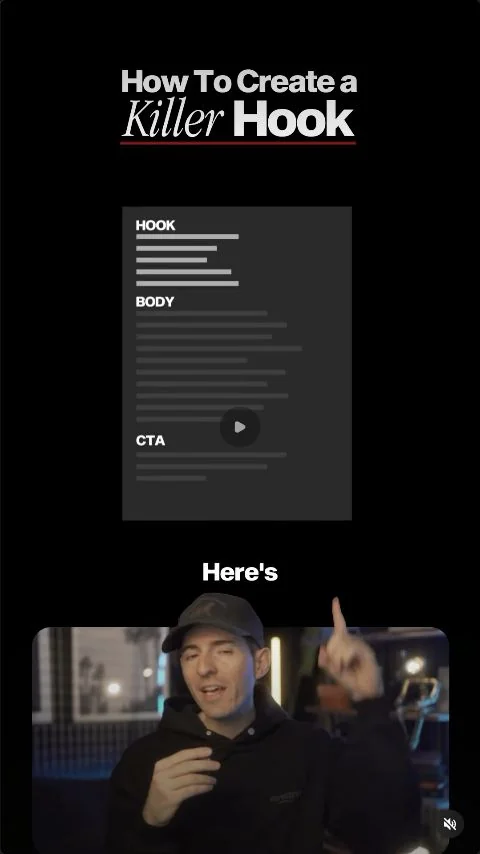
Kallaway presenting a hook structure diagram with a notebook and creator inset.
Source: @kallawaymarketing · Instagram
10 / 35
Tutorial@kallawaymarketing

Set an expectation. Then turn it

Kallaway's sequence establishes context, leads the viewer toward an expected conclusion, then reverses it. Audio, visuals, and text help make the setup clear. Use the turn to challenge a buyer's assumption about the category, and make the explanation strong enough to justify the surprise.

Matt Gray explaining his method in a video inset below a dark presentation area.
Source: @matthgray · Instagram
11 / 35
Tutorial@matthgray

Reflect the thought already in their head

Matt Gray's loop starts with the audience's own thought, opens a gap, challenges a belief, and hands off to the next piece. For a considered purchase, borrow the recognition and tension. Give the viewer a meaningful answer before asking them to continue into another video.

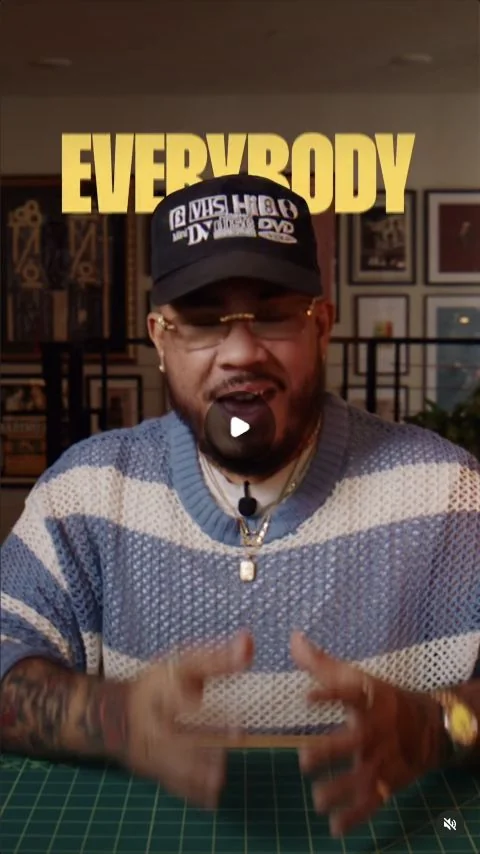
Adrian speaking to camera beneath a large on-screen opening word.
Source: @omgadrian · Instagram
12 / 35
Tutorial@omgadrian

Test the opening before blaming reach

Adrian compares posts with different openings and reports substantial differences in early retention and views. That makes the hook a useful testing variable, not a guarantee of sales. Keep the product story consistent, vary the opening, and check whether stronger attention also leads to qualified action.

Brock Johnson speaking to camera during his lesson on genuine hooks.
Source: @brock11johnson · Instagram
13 / 35
Tutorial@brock11johnson

Make attention come with a promise

Brock Johnson separates a momentary distraction from a reason to keep watching. A hook establishes a question, promise, or problem the content will address. For a premium offer, make that promise relevant to the buying decision so the opening leads naturally into evidence and explanation.

Brock Johnson with an on-screen statement about the opening of a reel.
Source: @brock11johnson · Instagram
14 / 35
Tutorial@brock11johnson

Lead with the problem they recognize

A generic tips format asks viewers to supply their own motivation. Johnson instead leads with a specific problem or desired benefit, then uses the edit to sustain attention. Apply the approach to a defined buyer: identify the obstacle first, and make the promised advice immediately relevant.

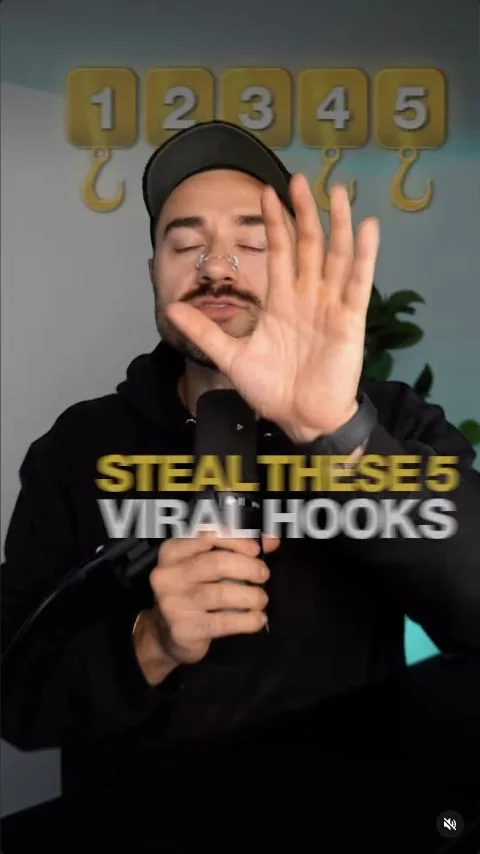
Rico Incarnati presenting five hook ideas with numbered notes behind him.
Source: @rico.incarnati · Instagram
15 / 35
Tutorial@rico.incarnati

Make the commitment to watch feel small

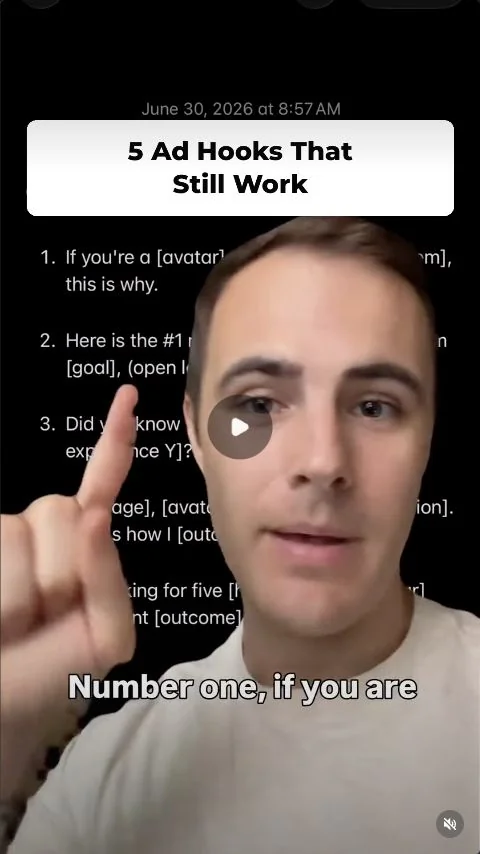
Rico Incarnati offers several starting structures: a bounded promise, a familiar feeling, or a challenge to a belief. A clear time commitment can make a longer explanation feel manageable. Choose one structure, name a specific benefit, and deliver it within the attention you asked for.

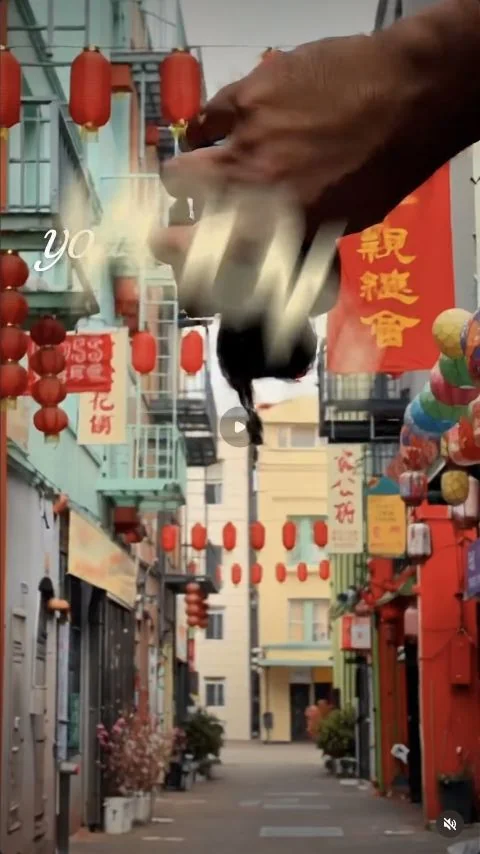
A surreal giant hand reaching into a street scene in an AI visual hook.
Source: @karenxcheng · Instagram
16 / 35
Tutorial@karenxcheng

Use spectacle as an entrance

Karen X Cheng demonstrates surreal visual openings built with AI and reverse editing. Their value is the immediate question they create. For a premium product film, use that visual surprise to introduce the idea, then ground the story in real product details and credible craft.

Luxury & High-Ticket Ads · 19 examples

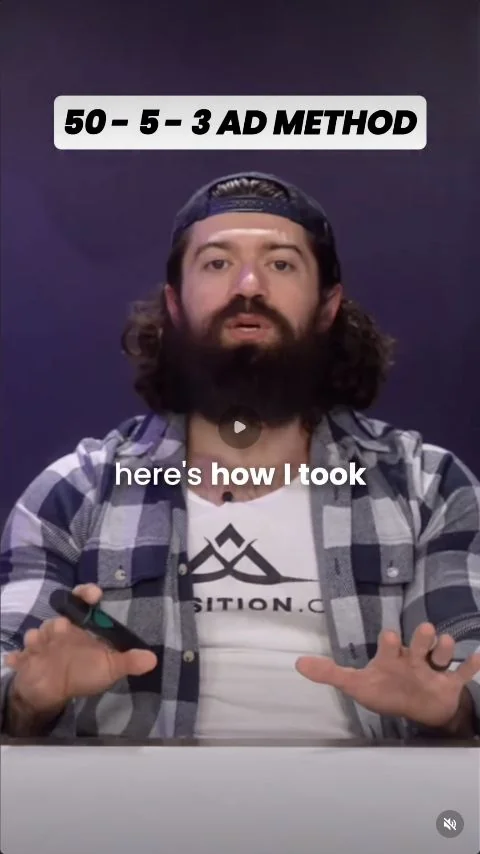
Alex Hormozi beneath the on-screen 50–5–3 ad method title.
Source: @hormozi · Instagram
17 / 35
Tutorial@hormozi

Build combinations instead of betting on one ad

Hormozi separates ads into openings, body sections, and calls to action, then recombines them into testable variants. The system makes creative learning repeatable. For a complex offer, build a few strong explanations and test different entrances into them, tracking business outcomes rather than output volume alone.

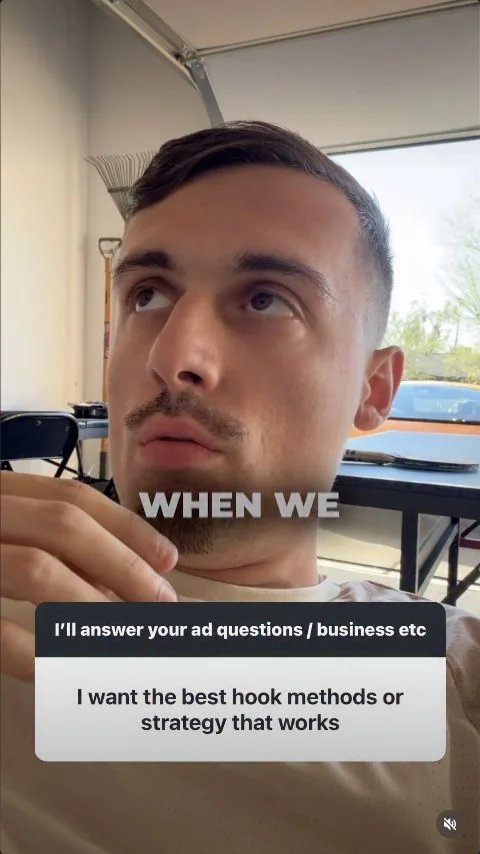
Jason Wojo answering a question about methods and strategy in a video.
Source: @thejasonwojo · Instagram
18 / 35
Tutorial@thejasonwojo

Choose the angle before writing the hook

Jason Wojo starts with three distinct customer problems, then writes five hooks for each. That separates the message from its phrasing. For an expensive purchase, test different buying concerns first, such as uncertainty or a costly frustration, before optimizing the wording of a single opening.

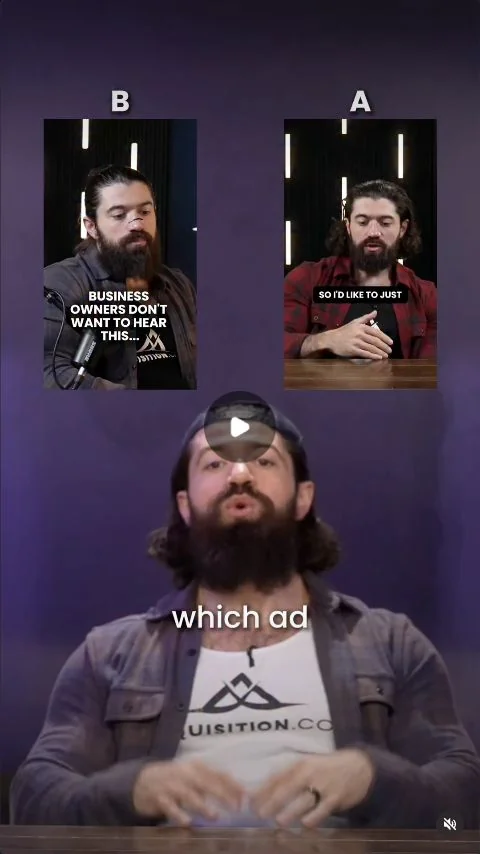
Alex Hormozi comparing two ad openings side by side.
Source: @hormozi · Instagram
19 / 35
Tutorial@hormozi

Make the point easy to understand

Hormozi contrasts a direct opening with a more metaphorical one and reports better results for the clearer version. The practical lesson is to reduce interpretation before asking for attention. For a complex product, say who it helps and why it matters before introducing a clever analogy.

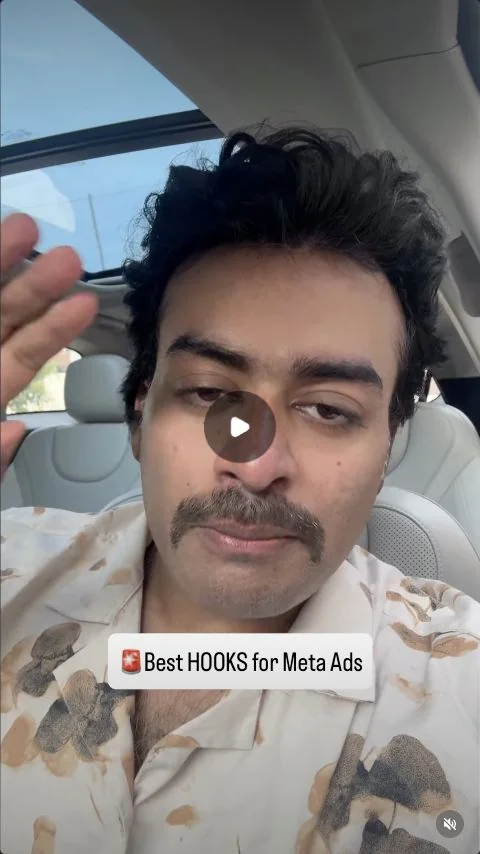
A creator presenting Meta ad hook advice on camera.
Source: @socialmasla · Instagram
20 / 35
Tutorial@socialmasla

Turn a familiar frustration into an opening

These templates start with a persistent struggle, a common mistake, or the reason a problem keeps returning. Each gives the viewer an immediate point of recognition. Use them to introduce a specific buying problem, then explain the mechanism rather than relying on an exaggerated pain statement.

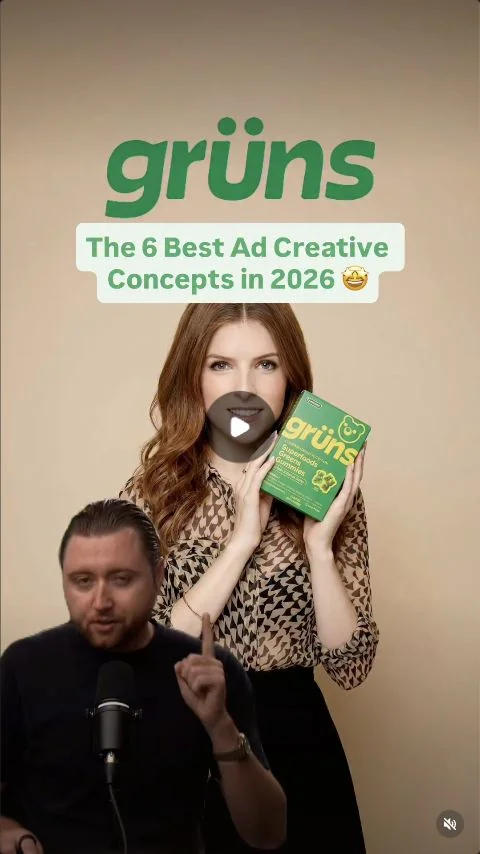
Chase Chappell discussing creative concepts over a Grüns brand example.
Source: @realchasechappell · Instagram
21 / 35
Tutorial@realchasechappell

Show the outcome in the scene

Chase Chappell groups creative around outcomes, use cases, behaviors, problems, and visual metaphors. The product becomes part of a situation the buyer can understand. For a higher priced offer, choose one desired change and make it visible instead of packing every benefit into the opening.

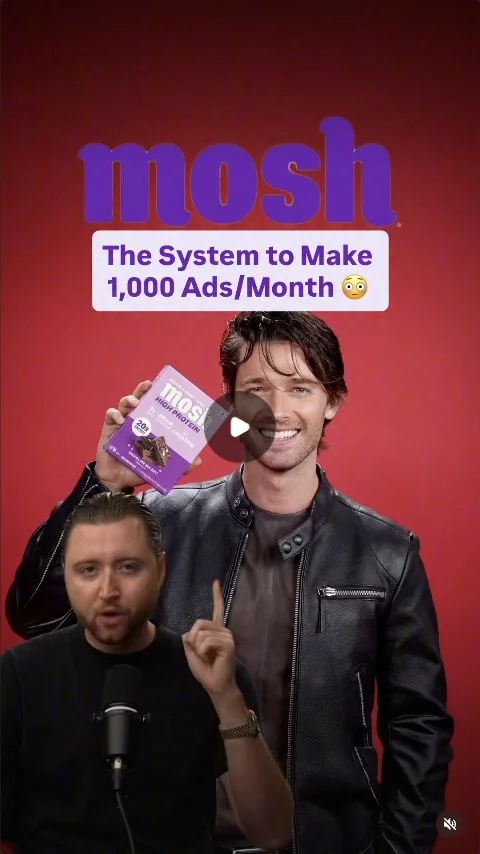
Chase Chappell presenting an ad production system over a Mosh example.
Source: @realchasechappell · Instagram
22 / 35
Tutorial@realchasechappell

Give creative production more than one lane

Chappell describes three parallel sources of creative: AI variations, creator content, and internal templates. The useful idea is a repeatable pipeline with different kinds of evidence and expression. For a premium brand, use a shared brief and review standard so production speed does not erode coherence.

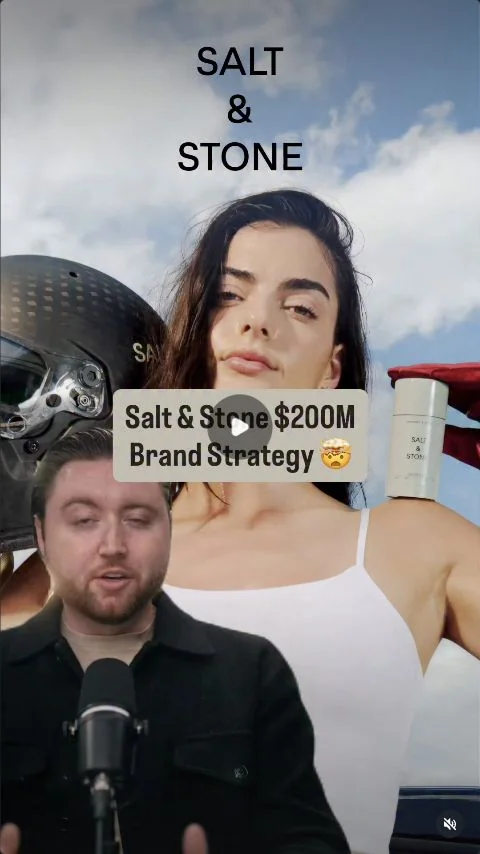
Chase Chappell presenting a Salt & Stone brand strategy breakdown.
Source: @realchasechappell · Instagram
23 / 35
Breakdown@realchasechappell

Use reviews to answer buying objections

Chappell's Salt & Stone breakdown connects customer reviews, native formats, gifting angles, and follow up campaigns. The useful unit is an objection answered at the right moment. For an expensive product, map creative to the buyer's actual hesitation and choose a customer story that addresses it directly.

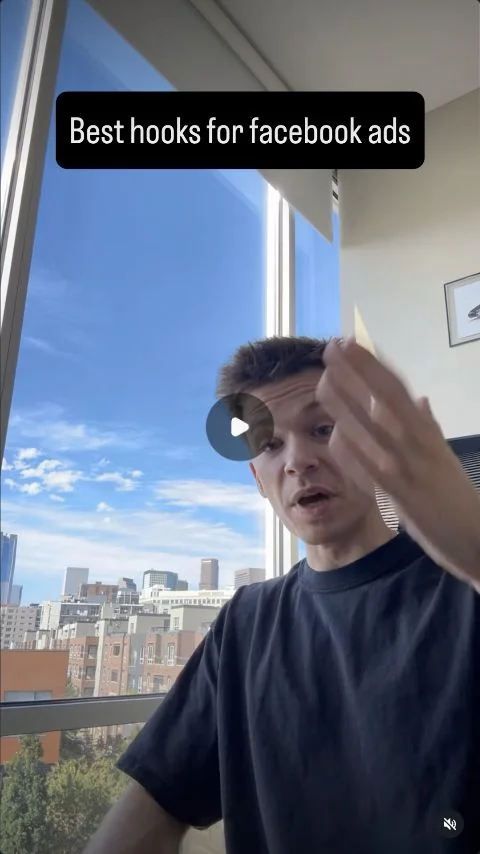
A creator presenting Facebook ad hooks with a city skyline behind him.
Source: @startrunningads · Instagram
24 / 35
Tutorial@startrunningads

Start with a plain control

These simple openings call out a person, a problem, or a desired outcome. Their usefulness is how quickly the viewer can recognize relevance. Before building elaborate creative for a complex offer, run a straightforward version as a control so later tests have something meaningful to beat.

A creator explaining Meta hooks in a seated presentation.
Source: @adsandcopy · Instagram
25 / 35
Tutorial@adsandcopy

Keep a small set of repeatable structures

This tutorial reduces hooks to an audience callout, a pain point, or a reason to act. A small set makes it easier to generate variations without changing the whole message. For a complicated offer, keep the opening plain and let the explanation do the deeper work.

Matt Shiver presenting five ad hook formats beside a list.
Source: @drmattshiver · Instagram
26 / 35
Tutorial@drmattshiver

Speak to a recognizable buyer

Matt Shiver combines audience specific openings with mistakes, statistics, identity, and open questions. The common thread is relevance the viewer can recognize immediately. For a niche offer, name a real situation and desired outcome. Use a statistic only when you can substantiate it and explain its context.

A creator showing an AI workflow with software interface examples.
Source: @vaibhavsisinty · Instagram
27 / 35
Tutorial@vaibhavsisinty

Use one asset to explore several directions

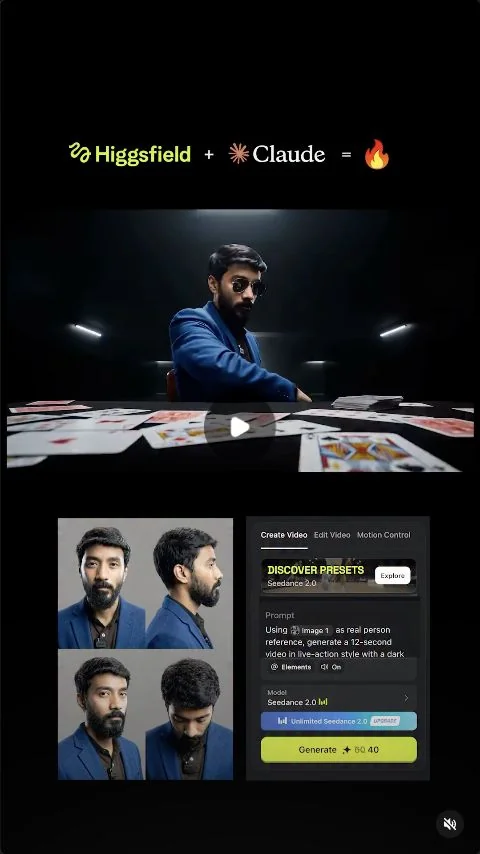
Vaibhav Sisinty's workflow turns a product photograph and a short brief into multiple AI generated visual directions. The opportunity is faster exploration before committing to production. For a premium offer, compare the concepts against the real product and brand standards before treating any generated image as finished creative.

Sabri Suby speaking beneath a title about a Meta ads lesson.
Source: @sabrisuby · Instagram
28 / 35
Tutorial@sabrisuby

Test both raw and polished creative

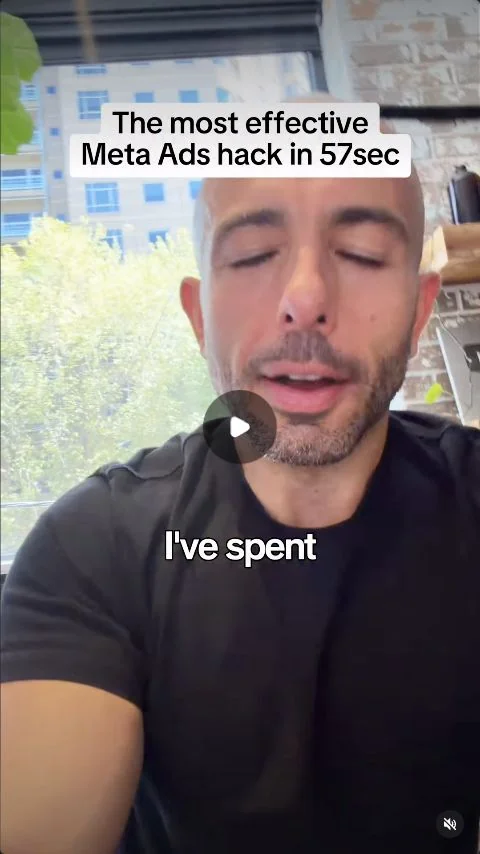
Sabri Suby argues for two ends of the production spectrum: native, informal creative and highly produced films. Treat that as a testable hypothesis for your own audience. For a premium brand, compare the trust of a candid explanation with the desire a carefully crafted visual story can create.

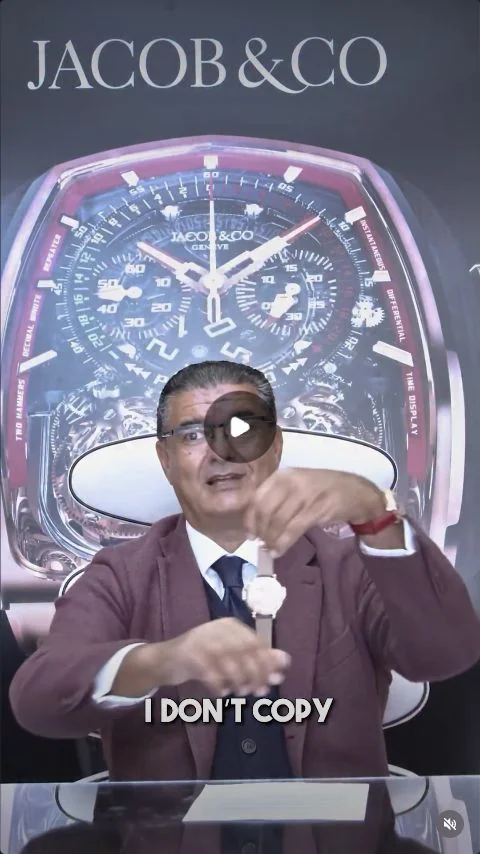
Jacob Arabo beneath a Jacob & Co watch image and a statement about originality.
Source: @jacobarabo · Instagram
29 / 35
Brand example@jacobarabo

Put the maker's hand in the frame

Jacob Arabo turns watch design into the content, sketching ideas while making a strong statement about originality. The process supplies the spectacle. For a premium product, show the decisions and skill behind the finished object so the audience has something concrete to connect with its price.

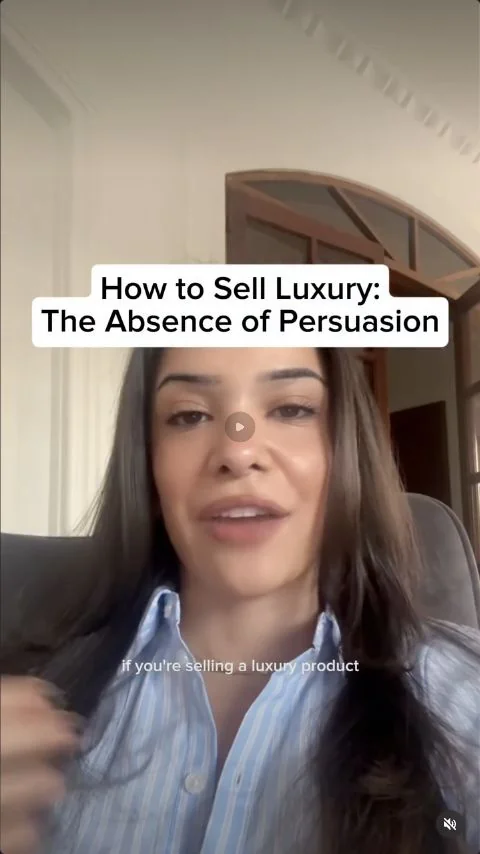
A creator explaining luxury copywriting and the absence of persuasion.
Source: @kensingtoncopy · Instagram
30 / 35
Breakdown@kensingtoncopy

Let cultural meaning carry some of the message

This Burberry breakdown examines how casting and cultural references can communicate value without a conventional sales argument. The audience is invited to recognize the meaning. For a premium offer, choose details your buyer understands and let them support the story instead of explaining every signal aloud.

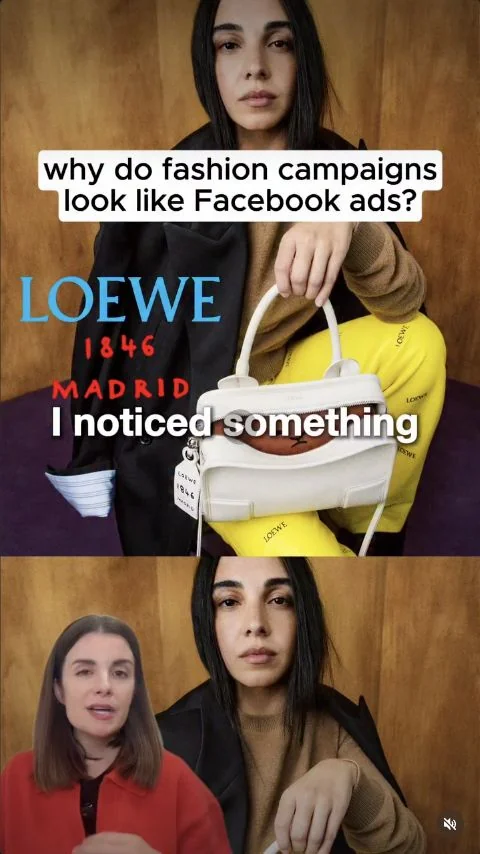
Alex Greifeld discussing luxury creative over a Loewe campaign image.
Source: @alexgreifeld · Instagram
31 / 35
Breakdown@alexgreifeld

Know what directness might cost the brand

Alex Greifeld examines luxury campaigns adopting more product forward performance creative. The tension is between immediate clarity and the distinctiveness buyers expect. For a premium offer, test a clearer presentation while keeping the recognizable choices in casting, art direction, and language that give the brand its character.

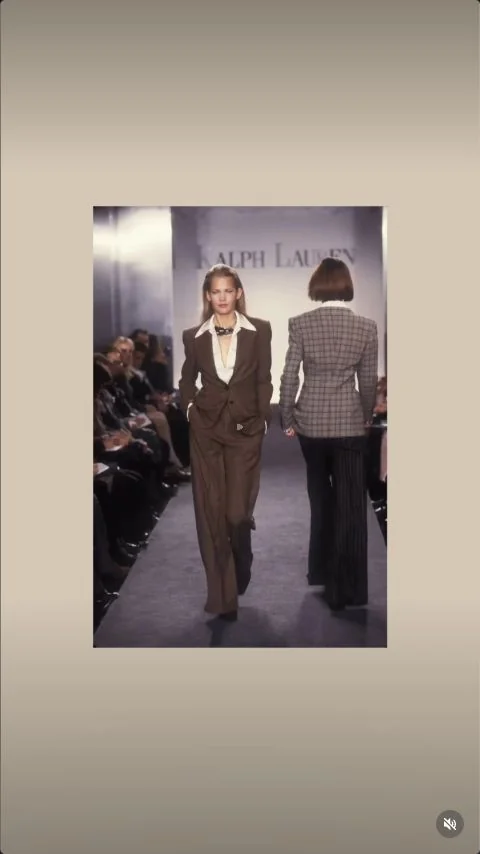
A fashion campaign image presented in a compilation of recognizable brand ads.
Source: @savoycollective · Instagram
32 / 35
Breakdown@savoycollective

Make repetition feel recognizable

A sequence of fashion campaigns illustrates the value of a consistent creative language. The lesson is to build recognition across repeated encounters rather than judge each ad in isolation. For a premium brand, vary the execution while repeating the visual choices and central message you want buyers to remember.

Amanda Sabreah discussing Moncler with images of Pacino and De Niro.
Source: @amandasabreah · Instagram
33 / 35
Breakdown@amandasabreah

Let casting establish the idea

Amanda Sabreah's Moncler breakdown looks at how Pacino and De Niro embody wisdom, experience, and cultural weight. The people carry much of the message before a product argument begins. For a considered purchase, choose a credible person whose relationship to the idea is clear, rather than fame alone.

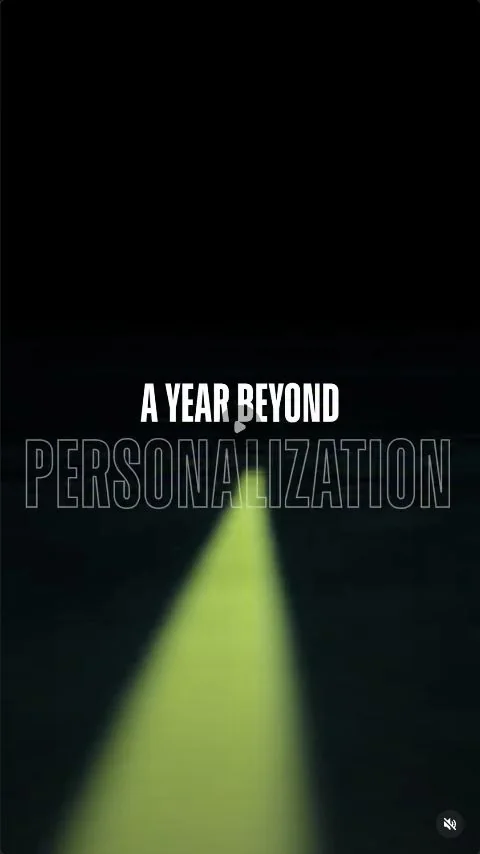
Lamborghini title frame introducing personalization through colored light.
Source: @lamborghini · Instagram
34 / 35
Brand example@lamborghini

Make the buyer part of the creative process

Lamborghini's AdPersonam film shows customization through drawing, detail, and color. The creative invites the buyer to imagine a configuration of their own. For a premium offer, show meaningful choices and the craft behind them, making personalization tangible before asking someone to value it.

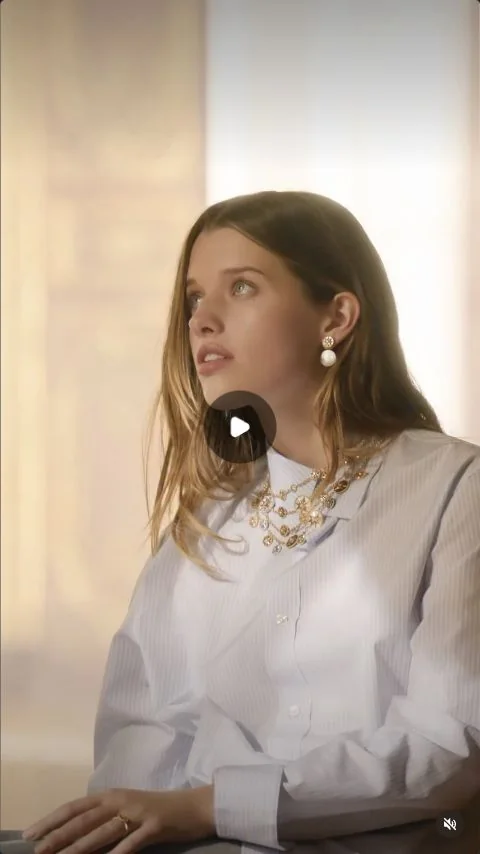
A Dior jewelry film showing a woman wearing a necklace and earrings.
Source: @dior · Instagram
35 / 35
Brand example@dior

Open with a worldview

Dior's Rose des Vents film frames jewelry through a personal idea of luck. The atmosphere and point of view arrive before the commercial invitation. For a premium product, begin with a belief the audience can connect to, then show how the object expresses it without forcing the conclusion.