Principles →
Buyer psychology, the offer, proof, attention, brand memory, and action. Understand why a creative choice might work.
A working guide / Creators + media buyers
Understand the buyer. Make a clear argument. Build the right creative. Learn from the result.
A hook earns a moment. The rest of the ad has to make that moment worthwhile: a relevant offer, a believable argument, and an obvious next step.
A working model for creative decisions, not a scientifically validated formula. These jobs can happen together; they are not mandatory scenes in a video.
Buyer psychology, the offer, proof, attention, brand memory, and action. Understand why a creative choice might work.
Turn customer evidence into concepts, scripts, and finished assets. Copy the brief, storyboard, and delivery checklist.
Define what a test can tell you, judge the business result, and turn the learning into the next brief.
35 tutorials, creative breakdowns, and brand examples. Study a technique, then decide whether it fits your assignment.
| Moment | Creator | Media buyer / owner |
|---|---|---|
| Before production | Find customer language. Propose a promise, concept, and proof. | Confirm the objective, acquisition economics, event, and question worth testing. |
| Before launch | Deliver labeled assets, copy, destinations, and evidence. | Check tracking, placement previews, test design, and decision criteria. |
| After results mature | Explain what the creative changed. Write the next hypothesis. | Separate observed performance from causal evidence. Decide what deserves more investment. |
Agree on one primary business outcome. Attention, click-through, and watch time help locate a problem; they do not establish profitable acquisition.
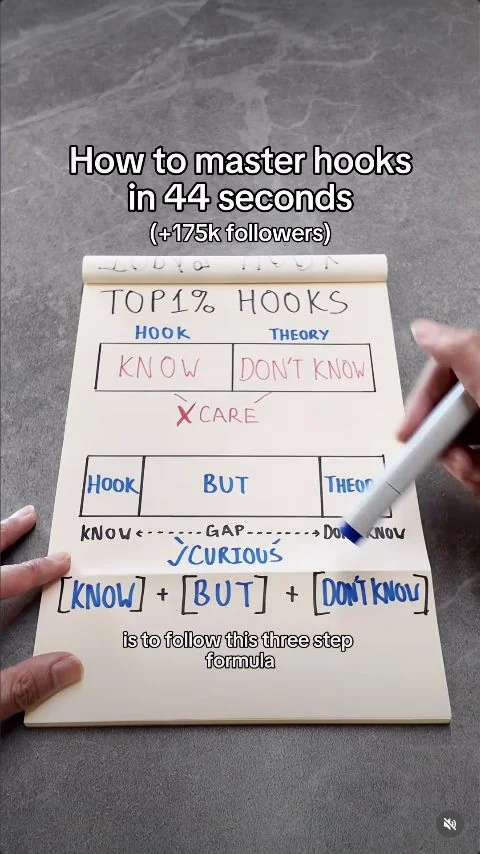
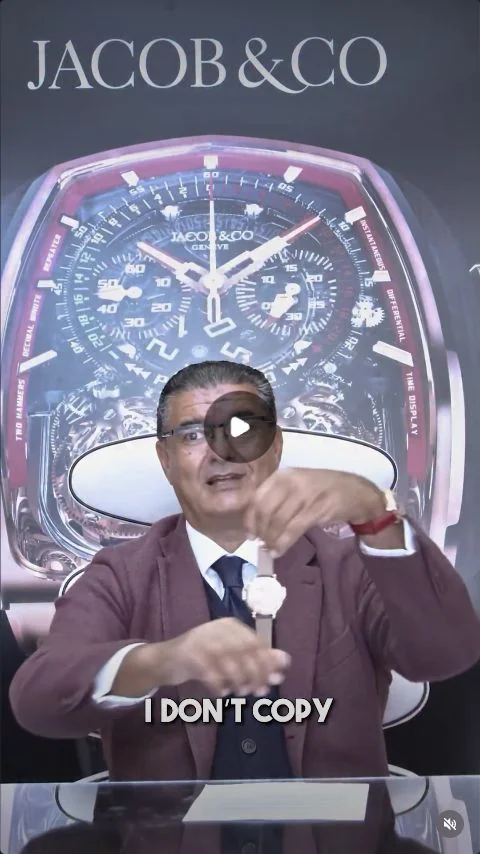
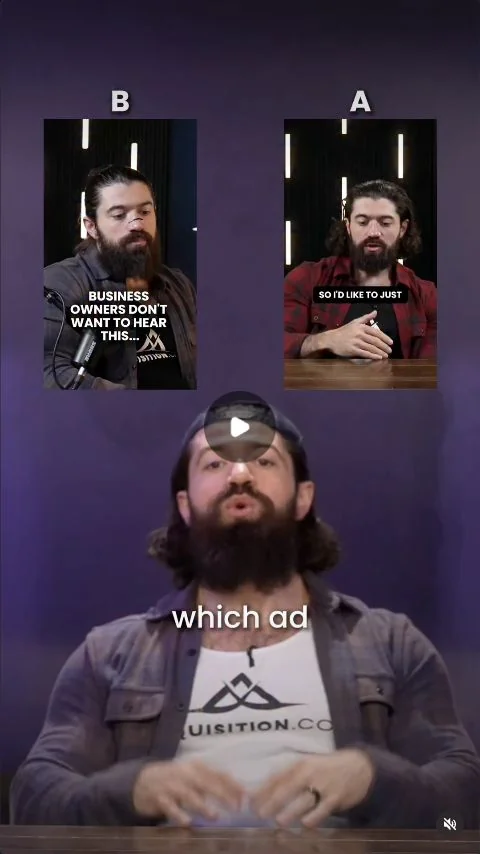
Examples illustrate choices. Their inclusion does not verify conversion performance.